As a project partner, Saipol contributed to the assessment of these crops throughout the value chain, from seed processing to the use of oilseed meals in animal feed. This commitment builds on the work Saipol has been carrying out since 2018 to develop oilseed cover crop value chains and support their gradual expansion in the field.
Saipol’s ambition is to contribute to more resilient agriculture by offering farmers cover crops suited to local soil and climate conditions and existing crop rotations. These additional crops help improve soil cover, promote biodiversity and generate supplementary income without competing with existing food crops.
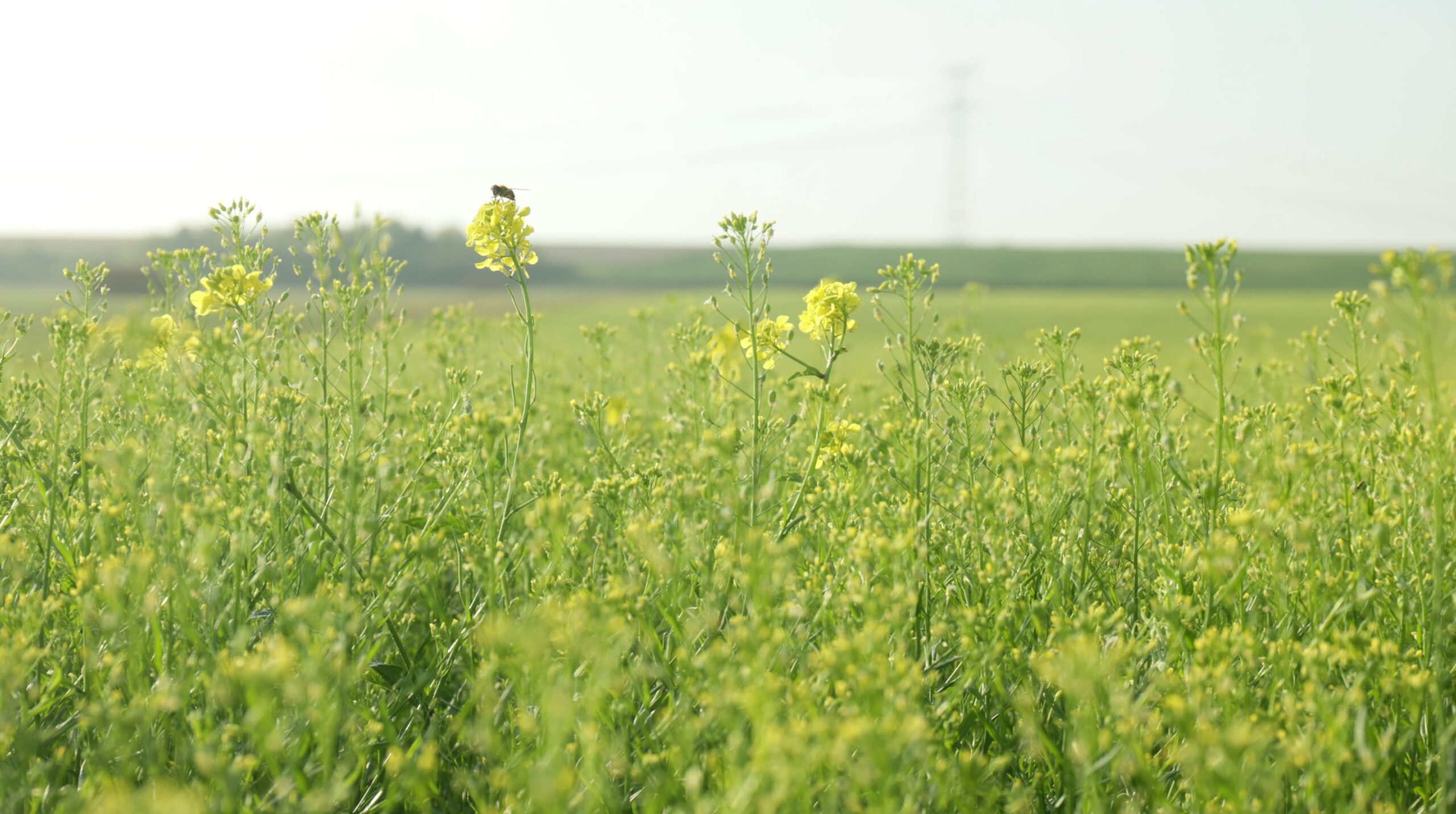
As part of the project, Saipol contributed in particular to assessing the potential of these cover crops to address the challenges of the agroecological transition and the development of a sustainable bioeconomy. The research confirmed camelina’s ability to provide high-quality protein for animal feed while also producing oil for sustainable aviation fuels.
For Saipol, the conclusions of the CARINA project reinforce the relevance of the work carried out over several years alongside farmers and agricultural cooperatives to establish value chains that create value. They strengthen the conviction that oilseed cover crops can simultaneously contribute to farm resilience, the agroecological transition and the decarbonisation of aviation. Saipol is continuing to build on this momentum through the development of value chains for camelina and Jetsun sunflower.
Download the CARINA project press release :