
Sustainability and its demanding regulatory framework
Historically, biofuels have been the first sustainable product offered by Saipol. They are an important component of the energy mix, replacing fossil fuels and thus directly contributing to the decarbonization of transport. They also support the ambitions of the European “Fit for 55” package, which aims to reduce net greenhouse gas emissions by 57% by 2030 and achieve carbon neutrality by 2050.
Governed by the RED (Renewable Energy Directive), the sustainability of biofuels is based on strict regulatory requirements regarding traceability and greenhouse gas (GHG) emissions reductions. To meet these requirements, Saipol set up a dedicated sustainability team in 2016, which has since developed highly recognized expertise in the field.

Sustainability : From Regulation to Practice
The Sustainability team ensures regulatory compliance of our products, traceability, and data reliability.
In practical terms, this means :
Every year, more than 270,000 sustainable transactions are traced and validated, enabling, in particular, the marketing of 1 million tonnes of renewable energy. These biofuels deliver greenhouse gas emissions reductions ranging from 50% to more than 90% compared with the use of fossil fuels.
Beyond the dedicated team, all Saipol employees are trained and made aware of sustainability across our industrial sites.
Sustainability : a driving force for innovation
Building on its regulatory expertise in sustainability, Saipol was the first industry player to integrate the environmental performance of farming practices into the heart of its business model as early as 2020. Through its digital tool, OleoZE, Saipol enables farmers to better valorize their seeds based on the positive environmental impact of their farming practices. This innovation has made it possible to directly link producers’ commitment to the agricultural transition with the sale of premium biofuels (with greater GHG emissions reductions), thereby recognizing the contribution of agroecological practices to the decarbonization of transport.
Today, this approach goes even further with Empreinte by Saipol : a program that extends the expertise gained through biofuels to all products derived from oilseeds: vegetable oils for human consumption, oilseed meals for animal feed, and glycerin for cosmetics and renewable chemistry. Saipol thus aims to make an impact on the agricultural, food and energy transitions.

How can agroecological practices be turned into a sustainability lever ?
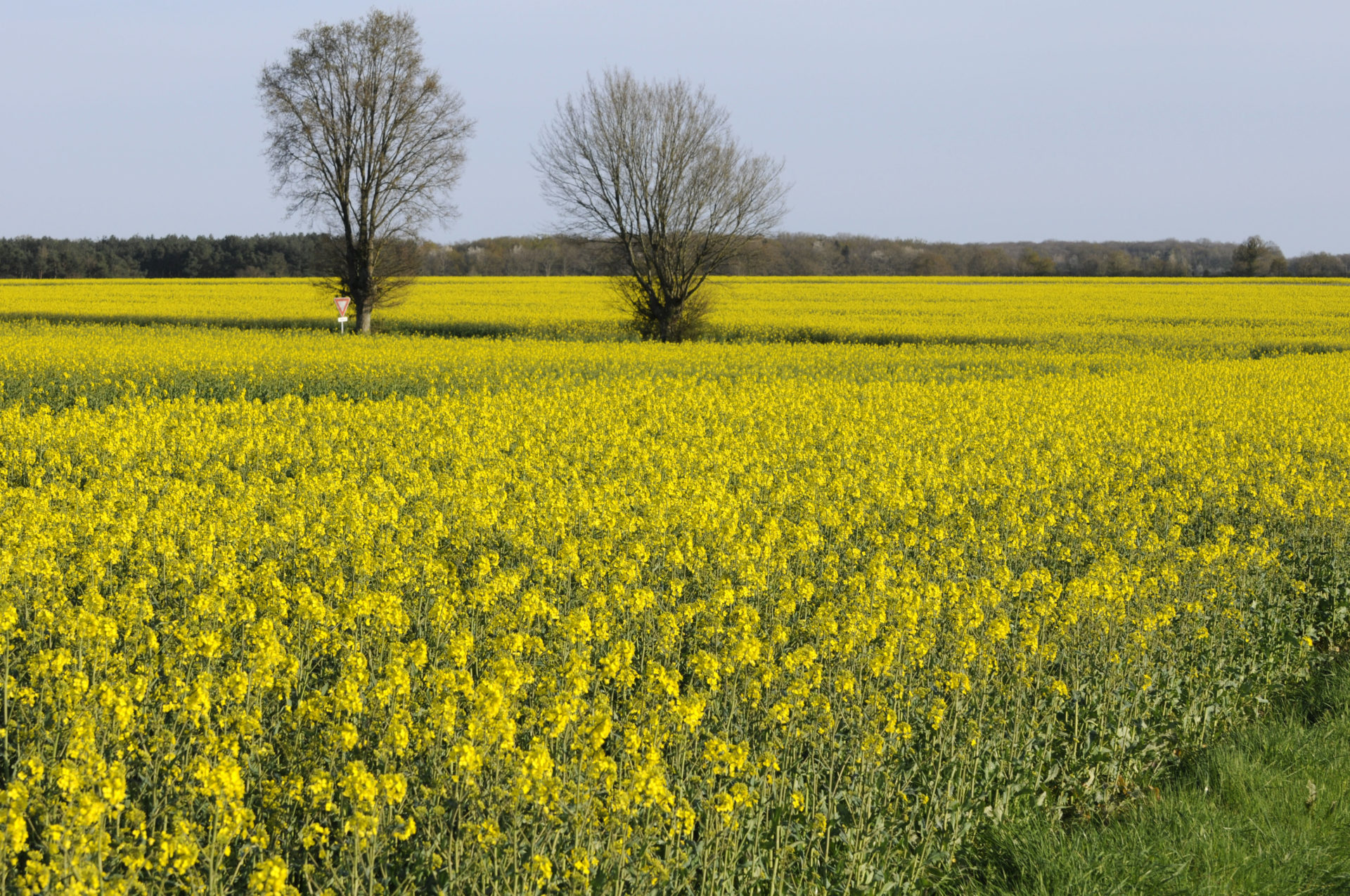
A biofuel derived from biomass reduces greenhouse gas emissions by at least 50% compared with a fossil fuel. This performance is directly attributable to the renewable, plant-based origin of the raw material used. This performance can be further enhanced by taking into account the environmental impact of the crops from which it is produced, particularly their ability to promote carbon storage in soils. This impact depends on the agroecological practices implemented, such as returning crop residues to the soil, adding organic matter, planting cover crops, maintaining soil cover for longer periods, and reducing tillage.
By accurately tracking these practices within certified sustainability systems, Saipol has a concrete lever for linking the sale of low-carbon products to the agricultural transition upstream of the supply chains.
Sustainability throughout the entire value chain
To offer high-quality products that meet the expectations and needs of customers committed to decarbonization and sustainability pathways, Saipol relies on three pillars :
Recognized sustainability certifications—a guarantee of reliability
Every year, all Saipol sites and their activities are audited by our certification body, representing a total of 25 audit days per year. The auditor, accompanied by a member of Saipol’s Sustainability team, visits each plant and our external storage facilities to verify that regulatory requirements are properly met and comply with international standards:

These certifications ensure compliance with the strictest regulatory requirements regarding the environment, climate and transparency.
Concrete results
Our commitment to sustainability is reflected in our sourcing and production strategies:
- 1.2 million tonnes of biofuels marketed on average each year, representing more than 2 million tonnes of sustainable seeds, directly contributing to the reduction of greenhouse gas emissions from transport;
- Full valorization of co-products across all our industrial sites;
- More than 850,000 tonnes of premium sustainable seeds, sourced from agroecological practices, purchased between 2020 and 2024;
- Objective: increase the share of premium sustainable seeds in our sourcing to 30% by 2030.


Saipol, at the heart of a collective project
As a subsidiary of Avril, Saipol operates in line with the Group’s purpose – Serving the Earth. This ambition is reflected in a CSR approach implemented across the entire value chain, with the aim of building increasingly structured, sustainable and resilient supply chains.
Being part of the Avril Group is also a major strength, enabling Saipol to amplify the impact of its commitments and, alongside the Group’s other entities, contribute to the major agricultural, food and energy transitions.