
In 2018, Saipol began piloting trials of intercropped camelina, also known as a summer catch crop, grown between two main crops. Saipol is helping implement camelina in France in order to develop production of vegetable oils for sustainable aviation fuels (SAF).
In 2024, Saipol launched the French market for intercropping camelina seeds by offering an attractive price to pioneering farmers interested in this new form of production, with the support of collecting bodies.
will be incorporated into aviation fuel by 2030
will be incorporated into kerosene by 2050
PARTNER COLLECTING BODIES TO DEVELOP CAMELINA INTERCROPS BY 2025
Camelina seeds for intercropping should be sown after an early-harvest crop, so that they can be planted before 10 July, ideally within 48 hours after the combine harvester passes. While camelina can withstand summer weather conditions, the other challenge is harvesting this tiny seed, which has to be done with well-calibrated equipment. From planting to harvesting, farmers need the support of a collecting body to ensure that camelina achieves its full potential.
This is why, during the development phase, the support of collecting bodies will help to ensure the success of this catch crop at every stage of production:
Limited eligibility
If you are a collecting body and would like to join Saipol’s camelina intercropping programme
Farmers not supported by a partner collecting body in 2025 must check their eligibility to join Saipol’s camelina intercropping programme using the form below:

Eligibility criteria
To find out more
The technical growing methods for intercropping camelina were developed in partnership with Camelina Company.
OUTLETS FOR CAMELINA INTERCROPS
Cameline and sustainable aviation fuels
The ReFuelEU Aviation project, led by the European Union as part of the Fit for 55 legislative package, sets targets for reducing greenhouse gas emissions from aviation, and provides a framework for developing the use of sustainable fuels to replace a portion of fossil-based paraffin within the EU. The goal is to reduce greenhouse gas emissions
by at least 55% by 2030.
In France, airlines are already required to incorporate 1% of sustainable paraffin as of 1 January 2022.
Under the European regulation adopted at the end of 2023, suppliers of aviation fuels to European airports with more than 800,000 passengers will have to incorporate a minimum of 2% sustainable fuels by 1 January 2025, then 6% in 2030, 20% in 2035 and up to 70% in 2050.


What they’re saying about camelina:

Camelina: an intercrop valued at €600 per tonne for the sustainable aviation fuel market
As early as 2024, Saipol will pay farmers for an expected production of 2,000 tonnes of camelina seeds, with the goal of increasing volumes fivefold in 2025. To seize this opportunity, the introduction of camelina into crop rotations needs to be considered starting today.

Guillaume De La Forest (Saipol): “Camelina as an intercrop, a response to the aviation industry’s need for biofuel”
A subsidiary of the Avril Group, Saipol has been interested since 2018 in camelina grown as an intercrop as a raw material to fuel aircraft. After several years of testing, momentum is now accelerating: the technical cultivation practices have been established, as has the manufacturing process. The remaining challenge is to convince farmers and grain storage organizations to take part in this rapidly expanding sector as well. An overview with Guillaume De La Forest, Camelina Development Manager at Saipol.

Biofuel: camelina, an eagerly anticipated resource
Saipol announces that it will purchase camelina from the 2024 intercrop at €600/t: the vast sustainable fuels market, particularly in aviation, is driving interest in this new raw material, whose press cakes are expected to reach animal feed manufacturers’ silos as a new source of protein.

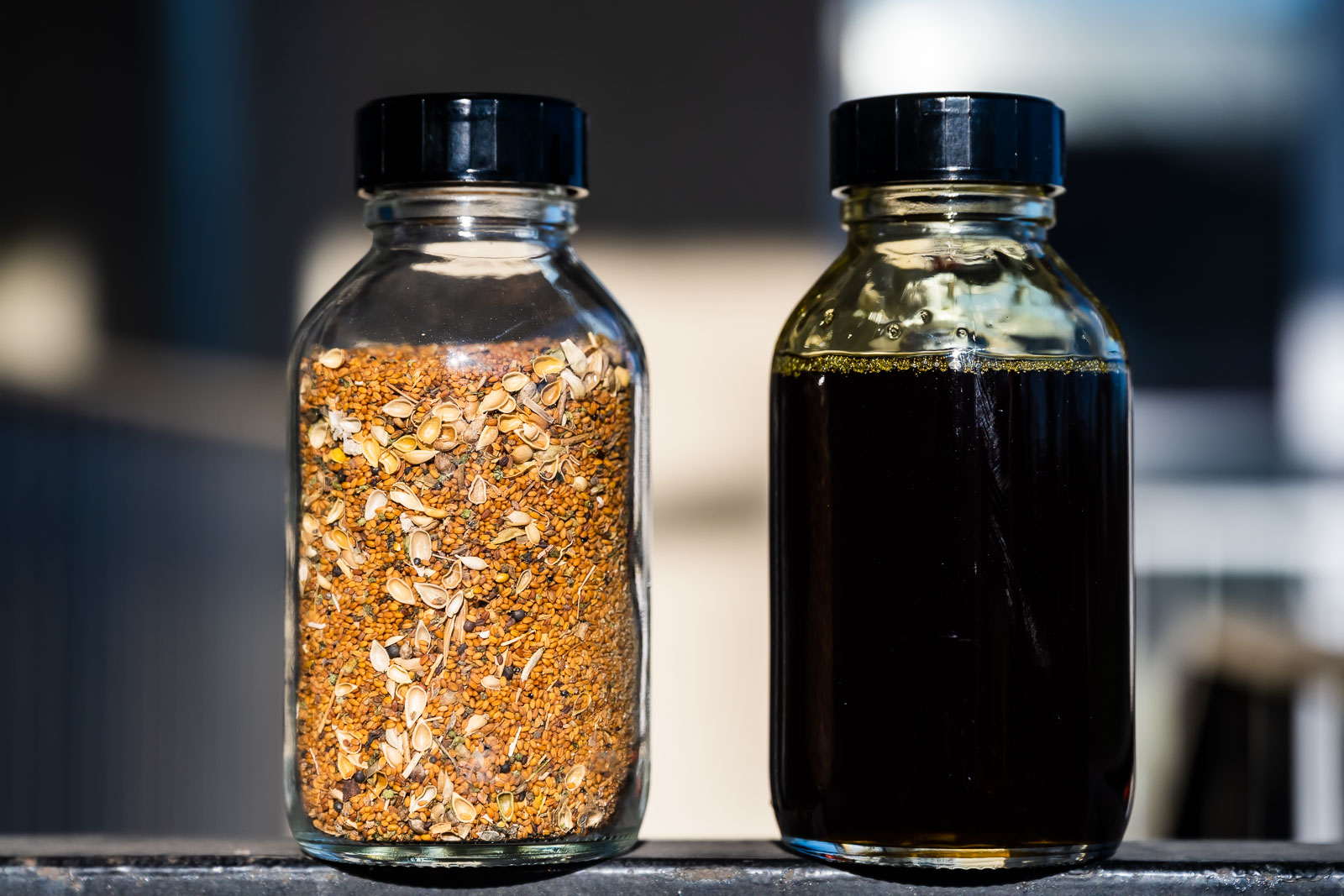
Camelina, a small seed with a bright future
Initially introduced into species mixtures for cover crops, camelina is also grown as a standalone crop, either as a spring catch crop or as a winter intercrop. Its seeds can then be processed into biofuel for the aviation industry.

Why intercrop camelina could really take off
Tested since 2020 by several grain storage organizations, camelina aims to establish itself in the sustainable aviation fuel landscape, with Saipol considering a price of €600/t for the seeds as early as this year, along with a “harvest guarantee” in the event of crop failure.

As an intercrop, camelina makes it possible to grow three crops in two years
Historically cultivated in France, camelina is making a comeback thanks to its many agronomic advantages and new markets driven by the decarbonization of the aviation sector.