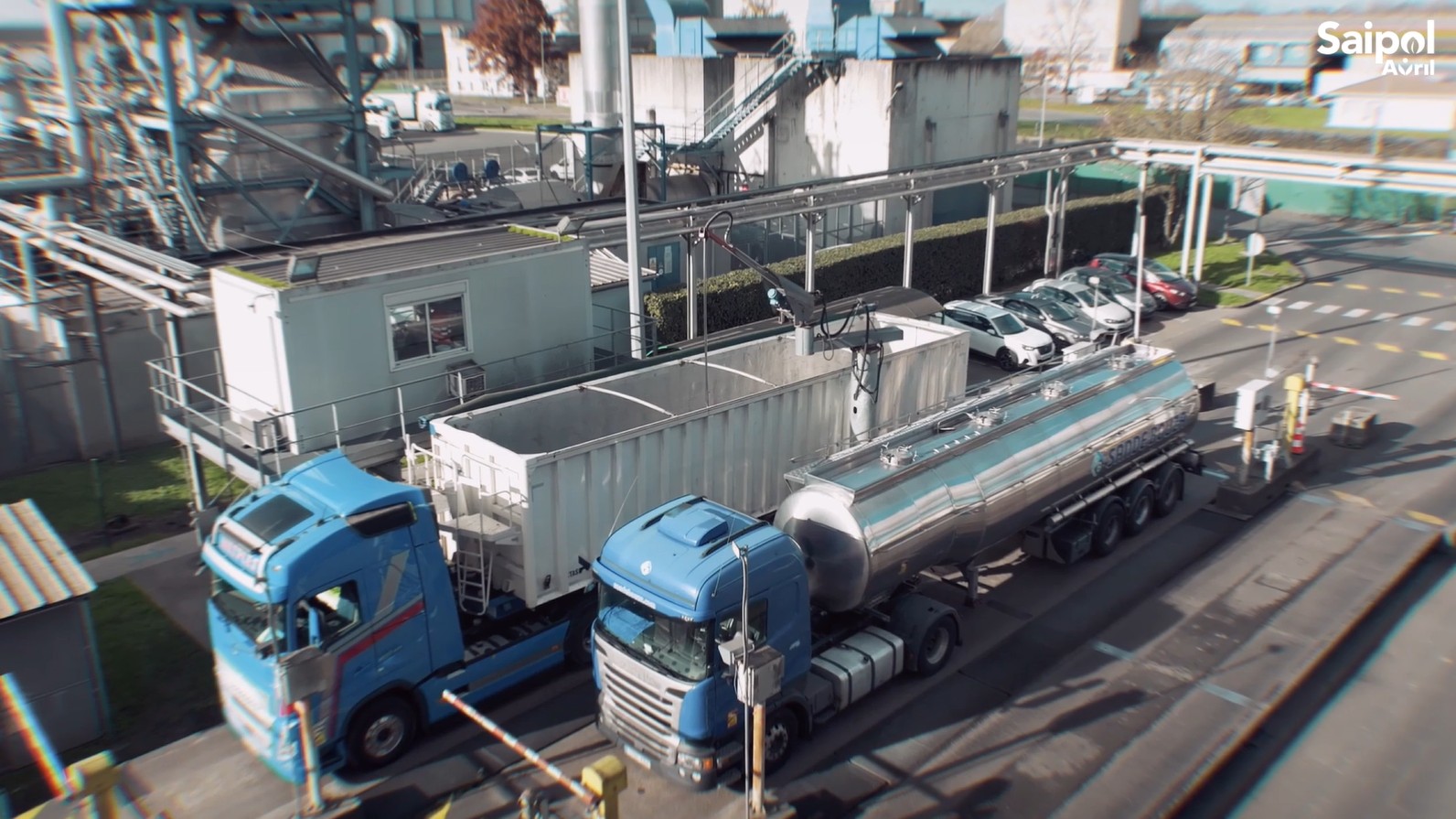
In concrete terms, what does the Supply Chain encompass at Saipol?
Estelle BREGETZER : Supply Chain is much more than trucks, inventory, or deliveries. Our role is to turn a commercial commitment into something very tangible: a product available when needed, a plant supplied with raw materials, and an order delivered to the right place, at the right time, with the expected quality and at the right cost.
Tomorrow morning, our plants will have enough seeds to keep operating, customers will receive their deliveries, and orders will be fulfilled. All of this is made possible by the work of the Supply Chain.
When everything goes according to plan, it is a sign that we have done our job well. Our success is often measured by what did not happen: a stock shortage avoided, a delay absorbed, or an issue resolved before it could affect a customer. Behind this seamless execution are teams that anticipate challenges, collaborate closely, and find solutions every day to deliver on our commitments.
Our job is to turn a promise on paper into reality on the ground. That promise may be captured in a single line of a contract, but making it happen often requires coordinating dozens of decisions.
“When everything works smoothly, no one wonders how. That is perhaps the greatest compliment we can receive.”

Estelle BREGETZER
Supply Chain Director at Saipol
At what point does your involvement begin ?
E.B. : Long before the first truck leaves, and our role does not end with delivery. We get involved as soon as a contract is signed and remain engaged throughout the entire supply chain.
Every stage depends on the others. A commercial decision can change storage requirements; an industrial disruption can impact a delivery schedule; a transportation delay can lead to immediate financial losses. Our job is to maintain this end-to-end perspective, understand the interactions between every link in the chain, and anticipate the consequences for the entire flow of operations.
Can you give us a concrete example of what happens when an unexpected issue arises ?
E.B. : Let’s take a typical situation: a seed shipment is delayed while a plant needs to be supplied and a customer delivery has already been scheduled. Within minutes, the original plan is no longer sufficient. We must assess the actual stock levels available, verify production capacity, identify an alternative logistics solution, and evaluate the impact of each option.
The next step is coordination. The plant, the Trade and Sales teams, Customer Service, Procurement, and the logistics provider all need access to the right information at the right time. The goal is not to eliminate uncertainty, which would be impossible, but to minimize its impact on both the customer and Saipol.
What does it take to make the right decision under pressure ?
E.B. : We start by focusing on the facts. What inventory is still available? How much time do we have? What flexibility does the plant have? Which customer will be affected if we reschedule this flow? A decision is never inherently right or wrong; it must be the most appropriate given all these constraints.
Of course, responsiveness is essential, but so is staying calm under pressure. Acting quickly does not mean deciding alone or making decisions blindly. It means sharing the facts, understanding the impacts, and making informed decisions collectively.

“A plan is only valuable if it stands up to reality.”
So, it seems that the Supply Chain is not just a single profession...
E.B. : Exactly. Supply Chain is made up of a wide range of different, yet complementary, functions:
- Procurement & Supply Planning
- Purchasing and Sales Administration
- Order Fulfilment and Invoicing
- Customer Service
- Contract Management
- Production Planning
- Plant Logistics
- S&OP (Sales & Operations Planning)
- Inventory and Storage Management
- Transportation and Freight Management (road, rail, river, and maritime)
- Continuous Improvement and Transformation Projects
While our day-to-day responsibilities may differ, we all share the same mission: making commitments happen.
This diversity is also reflected in the products we manage. We work with both solid products, such as seeds, meal, and hulls, and liquid products, including oils, biofuels, liquid biomass, and glycerine, serving markets that range from food to energy. Each flow comes with its own storage, transportation, quality, and traceability requirements.
This variety is what makes our professions so rewarding… and why in Supply Chain, no two days are ever the same !
Why do you place such a strong emphasis on the collaborative nature of this profession ?
E.B. : Because no decision is ever made in isolation. Supply Chain is, above all, a function that connects people and operations. We work continuously with the Trade and Sales teams, Procurement, Manufacturing, Quality, Finance, IT, and our logistics partners.
Technical expertise is essential, but it is not enough. You also need to know how to listen, explain, raise concerns without creating unnecessary alarm, and sometimes stand behind a difficult decision. What brings us all together is the shared commitment to delivering on our promises. Some team members are focused on day-to-day operations, while others are building the tools and transformations of tomorrow. Yet they all share the same mindset: anticipating challenges, collaborating effectively, solving problems, and staying engaged when the unexpected happens.
That is what makes this profession so deeply human. Behind the systems, contracts, and flows, there are always people communicating, trusting one another, and taking responsibility. On a daily basis, that spirit of teamwork keeps operations running smoothly. In difficult moments, it makes all the difference.
If you had to summarize Saipol’s Supply Chain in one or two sentences, what would you say ?
E.B. : Supply Chain is the art of delivering on a promise in an uncertain world. It connects strategy with operations, decisions with outcomes, and the company’s ambitions with what is actually achievable.
Behind every product delivered, every plant supplied, and every satisfied customer, there are people who have turned a promise into reality.
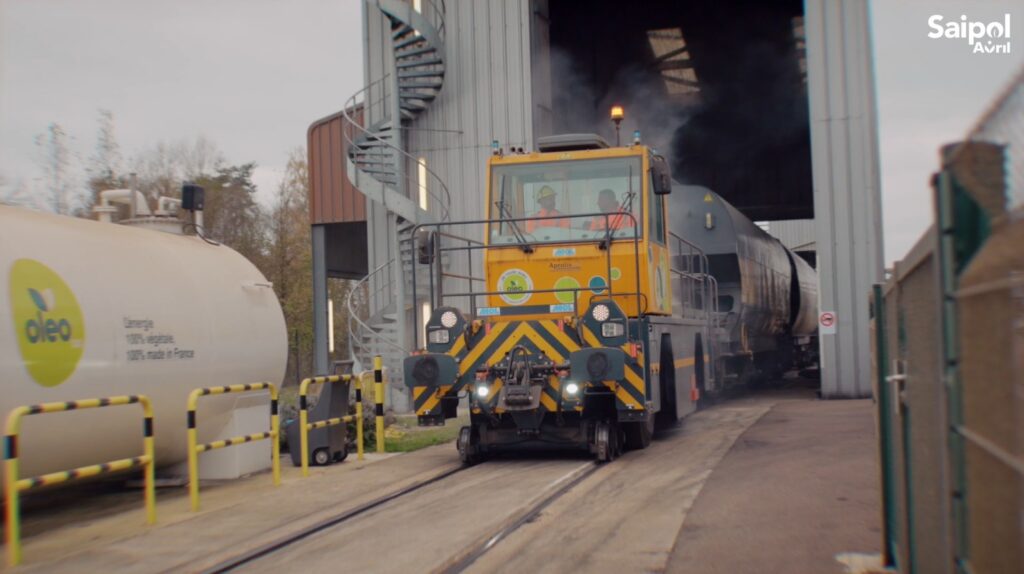
What advice would you give to someone interested in joining Saipol’s Supply Chain teams ?
E.B. : I would encourage them to stay curious and to come with a genuine desire to understand how an industrial company operates in practice.
Supply Chain is a hands-on profession, but it is also about anticipating change and driving transformation. At Saipol, it sits at the crossroads of many key challenges: decarbonizing our activities, optimizing flows, digitalizing processes, and continuously improving performance and resilience.
The Supply Chain of tomorrow will not be built solely through better tools or more efficient processes. Above all, it will be shaped by talented people who can imagine, coordinate, and continuously improve the way flows are managed in a more sustainable and responsible manner.
All of this is guided by our purpose : Serving the Earth.
To learn more...
To continue this journey, we invite you to watch the We Are Supply Chain series. Through immersive visuals, discover our sites, our teams, our products, and the flows that connect them. From refined oils and meal products to Oleo100 and the broader world of renewable energies, this series highlights the essential role of Supply Chain and the people who bring it to life every day.